
Essential Foundation Repair Products For Long-Term Home Support
Explore durable and reliable products that provide lasting support and stability for your home's foundation needs.
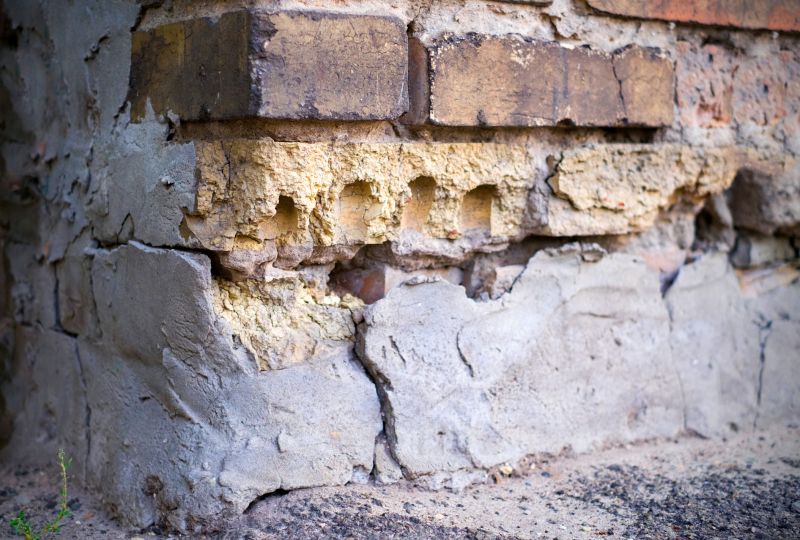 Foundation repairs are a critical aspect of maintaining the structural integrity of a building, especially in regions like Michigan City, IN, where soil conditions and weather patterns can influence foundation stability. When considering foundation repair products, it is important to understand the variety of solutions available, each designed to address specific issues such as settling, cracking, or shifting. These products range from simple repair patches to complex underpinning systems, providing options suitable for different types of foundation problems.
Top Overall Option
Polyurethane Injection System
Polyurethane injection systems are versatile and commonly used for sealing cracks and stabilizing soil beneath foundations. They expand upon application, filling voids and preventing water ingress, which can contribute to foundation movement. These systems are suitable for addressing minor to moderate cracks and can be installed with relative ease, making them a popular choice among homeowners and contractors alike.
Types of Products For Foundation Repairs
Carbon Fiber Reinforcement Strips
Used to reinforce cracked or bowing walls, these strips provide additional strength without extensive wall removal.
Concrete Patching and Sealants
Ideal for sealing small cracks and surface repairs to prevent water intrusion and further damage.
Helical Piles and Anchors
Deep foundation stabilization solutions suitable for supporting or lifting sunken structures.
Mudjacking and Slab Jacking Materials
Used to lift and level uneven concrete slabs by injecting a grout mixture beneath the surface.
Underpinning Systems
Supports and stabilizes existing foundations, often involving steel or concrete piers.
Soil Stabilization Products
Materials designed to improve soil load-bearing capacity and reduce settling issues.
Waterproofing Membranes
Applied to exterior or interior surfaces to prevent water infiltration that can cause foundation deterioration.
Injectable Epoxy Resins
Used for repairing cracks and restoring structural integrity in concrete foundations.
Steel Push Piers
Provide support to sinking foundations by transferring load to stable soil layers beneath.
Polyurethane Foam Injection
Expands to fill voids and lift settled slabs, often used for minor repairs.
Drainage Systems
Improve water management around the foundation to reduce hydrostatic pressure and soil movement.
Grouting Materials
Used to fill voids and stabilize soil or concrete joints within the foundation.
Popular Choices
Commonly used for sealing and restoring small to medium cracks in concrete foundations.
A lightweight foam injected beneath slabs to restore levelness and reduce uneven surfaces.
Carbon fiber strips are frequently chosen for reinforcing bowing or cracked basement walls.
Popular for supporting and stabilizing sinking foundations in shifting soils.
Widely used to prevent water penetration and protect foundations from moisture damage.
A common method for leveling sunken concrete slabs using polyurethane foam injections.
A preferred option for supporting heavily settled or unstable foundations.
Effective for managing water flow around the foundation area to reduce soil movement.
Used for quick crack repairs to restore structural integrity and prevent water ingress.
Applied to problematic soils to improve load-bearing capacity and reduce settling.
Proper assessment by a qualified professional is essential before selecting repair products. They can identify the root cause of foundation issues and recommend appropriate solutions. The right products can help stabilize a foundation, prevent further damage, and extend the lifespan of a structure. It is also vital to choose products that are compatible with the existing foundation material and local building codes.
Many foundation repair products are designed for DIY use, but some situations require professional installation to ensure safety and effectiveness. When shopping for foundation repair solutions, consider the specific problem, the extent of damage, and the type of foundation involved. Quality materials and reliable brands can make a significant difference in the longevity and performance of the repair. Regular maintenance and inspections can also help catch issues early, minimizing repair costs and disruption.
In Michigan City, IN, where seasonal changes can cause soil movement, selecting adaptable and durable products becomes even more important. Whether you are dealing with minor cracks or major shifts, understanding your options and working with experienced professionals can help you make informed decisions to protect your property’s foundation.
Key Buying Considerations
- Identify the specific foundation issue, such as cracking, settling, or bowing.
- Assess the extent and severity of the damage to determine appropriate repair options.
- Consider the compatibility of the product with your foundation material, whether concrete, brick, or block.
- Evaluate whether the repair solution is suitable for DIY application or requires professional installation.
- Check the durability and longevity of the materials, especially in your local climate conditions.
- Ensure products meet local building codes and standards for safety and compliance.
- Review the ease of application and whether specialized tools or skills are necessary.
- Consider the potential need for ongoing maintenance or inspections after repair.
- Research the reputation and reviews of the product or brand for reliability and performance.
- Factor in the cost-effectiveness of the solution relative to the extent of damage and expected lifespan.
- Determine if the product provides a temporary fix or a long-term stabilization.
- Verify if the product is suitable for the specific foundation type and soil conditions in Michigan City, IN.
- Look for products with clear instructions and technical support options.
- Assess the environmental conditions, such as moisture levels and soil composition, that may influence product performance.
- Consider the potential impact on property value and future maintenance needs.